













We automate processes –
we calculate ROI and deliver at a fixed price.
We analyze the process, pinpoint the best automation opportunity and deliver a solution connected to your company's systems – with a clearly defined scope, budget and timeline.
We start with an AI Process & ROI Sprint. In 7–14 days we map the process, identify time losses and errors, assess the data and integrations, and prepare the scope of a production pilot.
You receive an ROI model, a recommended architecture, a budget and a timeline – or a clear answer that AI is not the best solution for that process.
How do we go from process analysis to a production rollout?
Step 1 of 5
We automate research, lead qualification, proposal preparation, calculations and CRM data updates.
We read, classify and verify invoices, contracts, orders, forms and tickets, and pass the data on to the right systems.
We build agents that draw on your company's sources to prepare answers, recommendations and next actions – while key decisions are always approved by your team.
We deliver automation that pays off with a profit.
ROI before development
First we establish the baseline, the cost of the process and the expected outcome. Only then do we recommend the scope of the implementation.
Production pilot
We test the solution in a real process, on real data and with the users who will actually work with it.
Fixed price after analysis
Before work starts, you know the scope, budget, timeline, integrations and acceptance criteria.
Control & security
We design permissions, logs, human approval points and fallback paths for situations where AI should not act on its own.

Knowledge base: AI, apps and implementation in practice.
How to plan, build and grow an application or an AI implementation in your company – based on projects we have delivered since 2016.

How is AI changing software development and will it replace programmers?
Gartner predicts that by 2028, 90% of developers will use AI assistants every day. What does that change for businesses that commission software?


Frequently asked questions
Pricing, the process and what happens after deployment – answers to the questions we hear most often.
The cost depends on the number of steps and exceptions, the data sources, the required integrations, the number of users and the security requirements. Before development starts, we define the scope, budget and acceptance criteria.
We analyze the current processing time, employee involvement, how often the task is performed, the number of errors and the cost of delays. We then compare them with the projected cost of implementing and maintaining the solution.
Yes. We apply the fixed-price model once the scope, technical dependencies and acceptance criteria are agreed. For processes that require analysis, we start with an AI Process & ROI Sprint.
Yes. The Sprint is a standalone product, after which you receive the materials needed to make an investment decision. CODEAGENCY can carry out the implementation afterwards, but you are under no obligation to work with us.
A standard Sprint takes 7 to 14 working days. The duration depends on the complexity of the process, the number of stakeholders and the availability of data and documentation.
Usually anywhere from a few weeks to a few months. We present the exact schedule after analyzing the process and verifying the required integrations.
We need access to the people who know the process, sample data and documents, and information about the systems you use. We don't require complete documentation at the start of the collaboration.
We compare the result with the previously agreed baseline. If the solution delivers the expected results, we prepare a plan to scale it to more users, scenarios or processes.
Absolutely not. We design our solutions to be as intuitive and user-friendly as possible. The goal of automation is to simplify work, not complicate it. We replace the chaos based on worksheets and emails with a single, easy-to-use platform.
We match the architecture to your organization's requirements and the type of data being processed. Before deployment, we define the providers, how the data is processed, data retention and access restrictions.
We use tests on representative scenarios, data validation, limited permissions, quality monitoring and rules that define when the process should be stopped or handed over to a human.
Yes. We design human control points depending on how important the decision is and what the consequences of a potential error are. The system can prepare a recommendation but leave the final decision to the user.
Depending on the requirements, we can record the sources used, the operations performed, decisions and errors. This makes monitoring, auditing and further development of the solution easier.
Yes, as long as the system provides an API or another secure way to integrate. Before quoting, we verify the documentation, the scope of access and the technical limitations.
No. In many cases, conventional automation, an integration or a workflow that uses AI only in a selected step will be more reliable and cheaper.
The three levels of automation, from no-code tools to AI systems, are covered in Automating company processes: from tools to AI systems →
After the project ends, the client receives the rights defined in the contract, including the rights to the custom source code. External models, libraries and platforms remain subject to their providers' terms.
Yes. They can include infrastructure, AI model usage, integration licenses, monitoring and support. We estimate them before the implementation starts and include them in the ROI model.
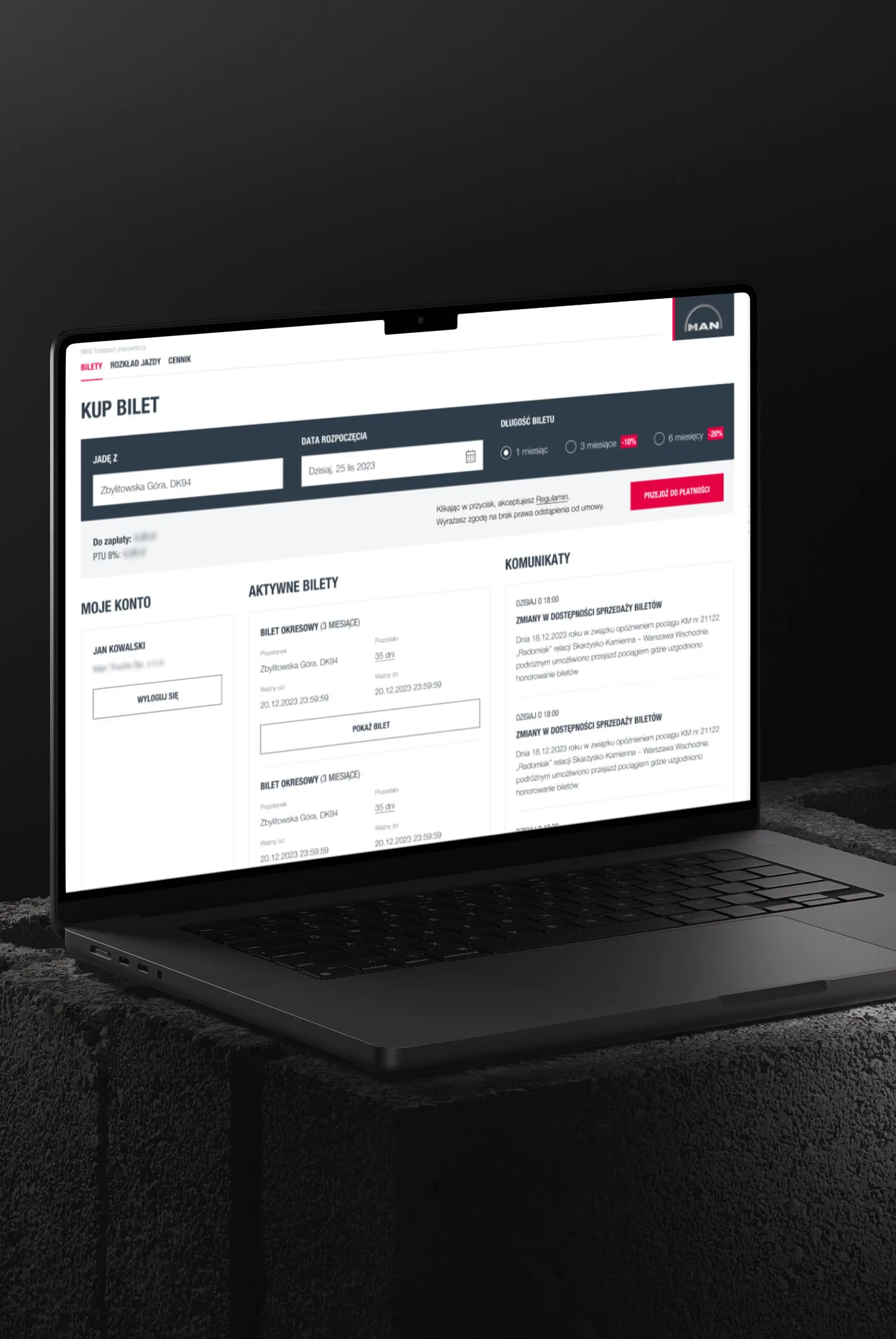
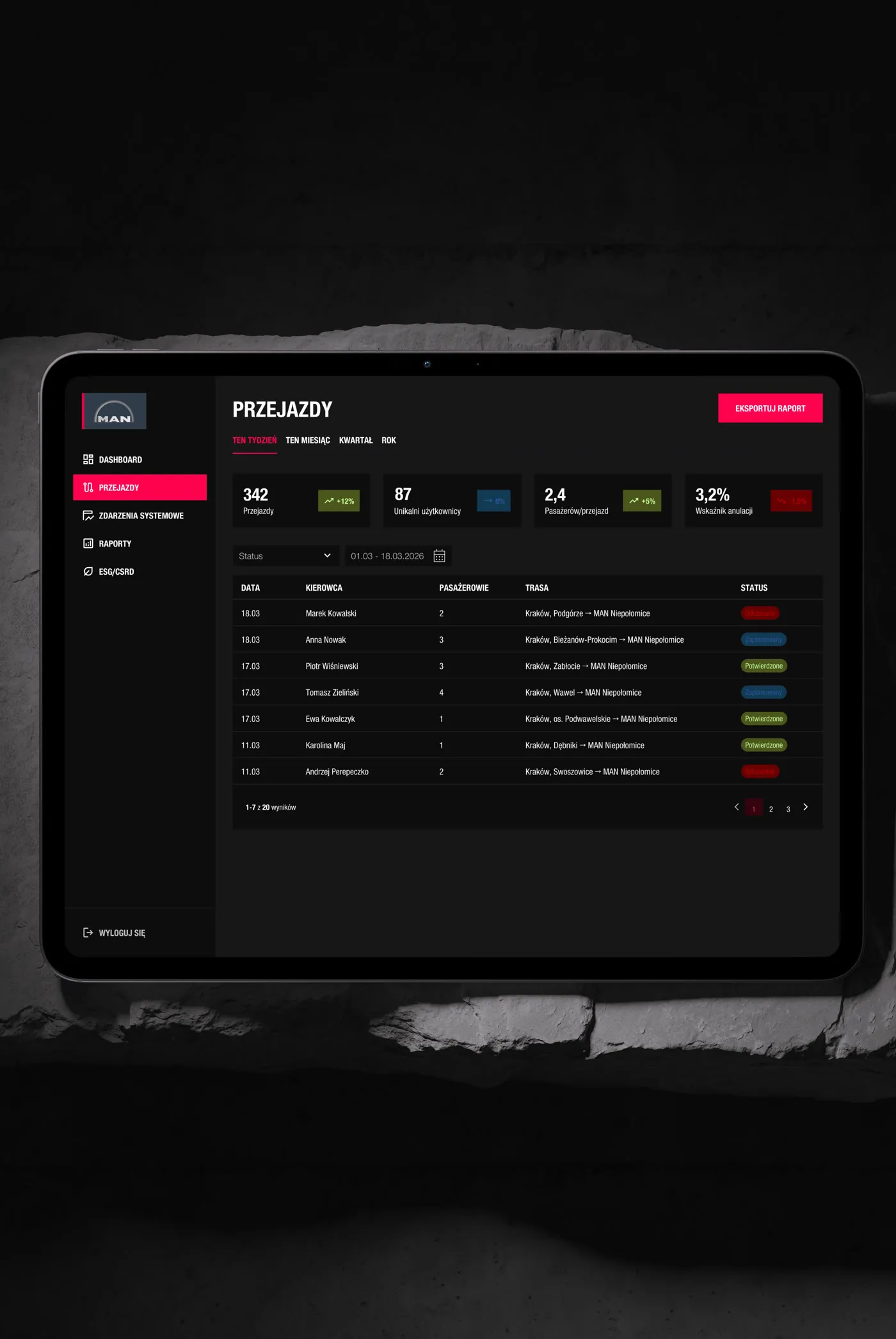
We can automate most repetitive and time-consuming tasks. Most often, these are processes related to manual data entry, creating cyclic reports, handling queries, synchronizing data between different systems (e.g. CRM, Excel, e-mail) or the purchasing and verification process, as in the case of our implementation for MAN Transport.
Have a process that eats up your team's time? Let's find out whether it's worth automating – and how much you'd save.

Barbara Morawiak Client Partner
Prefer to talk? Book an online meeting (opens in a new tab)