

Manual testing plays a surprisingly important role in the application development process, even in an era of ubiquitous automation. Discover how the precision of the human eye and intuition can determine the success of your software.
Manual tests are often underestimated but essential steps in software development. Contrary to popular belief, they have not been superseded by automation, but are a fundamental element in every application developer’s arsenal. In this article, we will focus on the unique advantages that manual testing brings to the software development process, highlighting the important role it plays in identifying problems that algorithms can miss.
Starting with basic definitions and types of manual tests, we will go through the entire process of planning, executing and analyzing the results. We’ll see how manual testing can complement automated testing, offering a deeper understanding of the end user and the experience that software creates. In addition, we will discuss how to effectively combine these two testing methods to maximize the quality and reliability of the applications being developed. We will also analyze how manual testing affects the user experience, emphasizing its importance in creating products that truly meet users’ needs and expectations.
Here is the table of contents included in this article:
- What are the manual tests based on?
- Benefits of manual testing: Worth knowing
- Creating a manual test plan
- Preparation of test environment and tools
- Performing manual tests: Effective measures
- Analysis of results and feedback
- Manual tests: Summary
What are the manual tests based on?
Manual testing is a cornerstone in the software testing process. Its main purpose is to ensure that the software works as expected by the user and is free of errors. Manual testing is carried out by a manual tester who carefully checks various functions of the application, often simulating the actions of the end user.
Definition and objectives of manual tests
Manual testing is a process in which a manual tester interactively checks an application for errors and irregularities. Unlike automated testing, which is performed automatically through scripts, manual testing requires the active involvement of the tester. In manual testing, the tester analyzes important features of the application, such as functionality, usability and performance, to make sure everything is working properly.
Differences between manual and automatic tests
Although test automation is becoming increasingly popular, manual testing still plays a key role in software testing. The main difference between manual and automated testing is that manual testing provides a more intuitive and flexible way to analyze an application. A manual tester can more easily adapt to changes in the application and react quickly to newly discovered bugs. Test automation, on the other hand, is more effective for a large number of repetitive tests, such as regression tests, which are performed automatically every time the code changes.
Types of manual tests
Within manual testing, we distinguish different types of testing, depending on the purpose and context. The most popular of these are:
-
Exploratory testing: Here the manual tester acts spontaneously, exploring the application without predefined test scenarios. The goal is to discover unexpected bugs and vulnerabilities in the software.
-
Scenario testing: a manual tester performs a series of test cases that simulate actual user operations. These scenarios are often based on actual application usage.
-
Regression tests: They are designed to verify that new changes to the code have not introduced bugs in already existing functions. Although they are often done automatically, regression tests can also be done manually in smaller projects.
Each of these types of manual testing has its own unique application and is necessary at different stages of the software development lifecycle. Manual testers often generate reports that document test results and help development teams identify and fix bugs.
In conclusion, manual testing still plays an indispensable role in the development of web applications and other types of software. Despite the rise in popularity of automated testing, the skills and experience of the manual tester are invaluable in ensuring the quality and reliability of software.
Benefits of manual testing: Worth knowing
Manual testing, although often considered more time-consuming than automated testing, brings many unique benefits to the software testing process. In this chapter, we will focus on explaining why manual testing is still indispensable in the field of software development, especially in the context of web applications.
Why manual testing is essential
A manual tester brings his intuition, creativity and ability to understand user needs to the testing process. In manual testing, the tester can quickly adapt to changing requirements and focus on the aspects of the software that matter most to the end user. In this way, manual testing allows for the identification of subtle bugs and usability issues that may be missed during test automation.
Comparison with automated tests
Test automation has its advantages, especially for repetitive tests that require constant repetition. Automated tests are ideal for quickly checking large volumes of code and ensuring that basic software functions work properly. However, automated testing is not always able to catch errors related to the subtleties of user interaction with an application. In these cases, the experience and skills of a manual tester are crucial.
Manual testing vs. automated testing: a comparison
-
User focus: A manual tester can focus on aspects of the software that have a direct impact on user experience (UX), which is difficult to achieve with automated testing.
-
Flexibility: Manual testing allows for greater flexibility and adaptation to software changes, which is especially important in dynamic project environments.
-
Creative Testing: A manual tester can use a creative approach to identify unusual use cases that may not be covered by standard test cases.
Documentation of manual tests
The manual tester generates reports that contain not only information about bugs found, but also tips and recommendations for potential improvements. These reports provide valuable feedback to development teams and can help improve software quality.
In conclusion, manual testing plays an important role in ensuring the quality of web applications and other types of software. Manual testers, with their unique skills and experience, are able to catch errors and shortcomings that may be missed during test automation. As a result, manual testing remains an essential part of any software testing process.
Creating a manual test plan
Creating a detailed manual test plan is an integral part of the software testing process. This chapter focuses on strategies and methods that help manual testers effectively plan for software testing, including web applications.
Defining the goals and scope of testing
The first step in the planning process is to define the goals of testing. The manual tester needs to understand what exactly is to be tested and why. Is the goal to verify a specific functionality? Or is it to evaluate the usability of the application in general? Defining goals helps determine the scope of testing, which is important to make sure that all key aspects of the software are tested.
Development of test cases
The next step is to develop test cases. A test case is a set of conditions or variables under which the tester checks that the application works properly. For a manual tester, it is important that the test cases are representative of the actual use of the software by users. They should cover a variety of usage scenarios, including those that are less obvious but potentially critical to the operation of the application.
Prioritization of manual tests
Once the test cases are defined, the manual tester should prioritize. Not all tests are equally important, and time constraints often force the choice of which tests to run first. Prioritization should take into account factors such as the importance of the function to the end user, the likelihood of errors, and the impact of potential errors on the overall performance of the application.
Resource and schedule planning
The final stage of planning is to allocate resources and establish a test schedule. The manual tester must assess how much time and what resources will be needed to carry out the planned tests. Planning should also include the time needed for test result analysis and reporting.
Preparation of test environment and tools
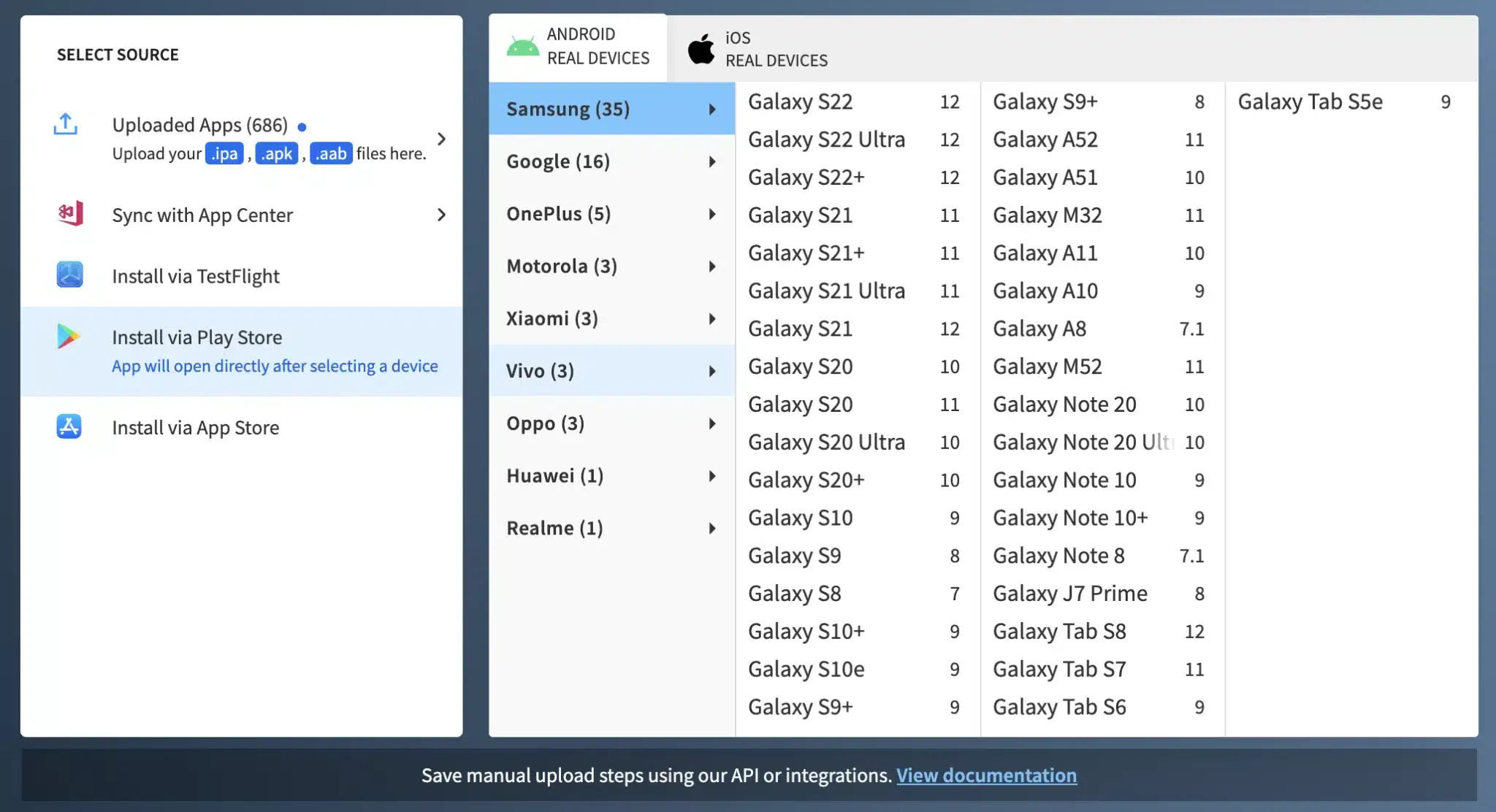
In addition to creating a test plan, it is equally important to prepare the test environment and choose the right tools that will enable manual testers to conduct effective and accurate software tests.
Test environment configuration
The test environment should reflect the real conditions under which the software will be used by end users. For a manual tester, this means configuring hardware and software that simulate the various platforms and environments in which the application will operate. In the case of web applications, for example, performance must be tested on different browsers and operating systems. Testers need to make sure that the test environment is stable and does not introduce additional variables that could interfere with test results.
Creating test data
Creating appropriate test data is also an important part of preparing for manual testing. This data should reflect realistic usage scenarios and allow manual testers to test various aspects of the application. In some cases, this may mean generating large volumes of data to test the application’s performance and scalability.
Selection and use of test tools
Effective manual testing often requires the support of appropriate testing tools. These can include bug tracking and reporting tools, test case management software, and documentation support tools. A good test tool can significantly streamline the testing process, enabling easy documentation of errors found and quick generation of reports.
Effective testing strategies
At this stage, manual testers should also develop strategies to get the most out of the prepared environment and tools. It is important that tests be conducted in a systematic manner, with attention to detail. Testers should also be ready to adapt and change the test plan when they encounter unexpected problems or discover new aspects of the application that require additional testing.
Proper preparation of the test environment and selection of tools are critical to the efficiency and accuracy of manual testing. These measures not only facilitate accurate and effective testing, but also ensure that the results reliably reflect real-world conditions of software use. With careful preparation and strategic use of test tools, manual testers have the ability to ensure the high quality and reliability of the software under test, which is essential in today’s rapidly changing world of technology.
Performing manual tests: Effective measures
The manual testing process begins with careful review and execution of prepared test cases. Manual testers, with a carefully planned set of tasks, focus on every aspect of the software, from the user interface to more complex functionality. This method catches subtle errors that automated testing may miss.
An adaptive approach to testing
During manual testing, new discoveries often emerge that may require changing the plan or adding new test cases. Manual testers must be ready to dynamically adapt their strategies to respond effectively to such situations. This ability to adapt quickly is one of the main advantages of manual testing over more rigid automated testing.
Interaction with software
Manual testing requires testers to interact with software in a way that mimics actual use by the end user. Testers must pay attention not only to obvious bugs, but also to the overall usability and user experience. This requires a deep understanding of user expectations and how the software is to be used.
Use of support tools
Although manual testing involves direct interaction with software, testers often use a variety of tools to support the testing process. These can include tools for tracking bugs, managing test cases or software for creating screenshots and recording test sessions. These tools make it easier to organize work and ensure that all problems found are properly documented.
Error detection and reporting
An essential element of manual testing is error identification and reporting. Manual testers must not only be able to detect an error, but also be able to accurately describe how it occurred and the impact it has on the software’s performance. Accurate error reporting is essential for the development team to fix errors effectively.
Cooperation and communication
Effective manual testing requires constant collaboration and communication between testers and the rest of the development team. The exchange of information allows a quick response to detected problems and facilitates decision-making for further software development.
Manual testing is a process that requires not only technical expertise, but also communication skills and analytical thinking. Manual testers play a key role in ensuring that the software that reaches users is not only functional, but also intuitive and pleasant to use. Their work has a direct impact on the final quality of the product and customer satisfaction.
Analysis of results and feedback
In this stage, manual testers carefully review the results of each manual test performed. The goal is not only to identify errors, but also to understand how these errors affect the performance and usability of the software. Each test case, regardless of whether it resulted in a positive result or the detection of a problem, is analyzed in detail. This evaluation captures the subtle nuances of software that often escape in more formalized automated testing.
Analysis: differences between manual and automated tests
When analyzing the results of manual tests, it is important to note the differences between them and the results of automated tests. Manual tests provide unique insights into user interaction with an application that may not be available in the more rigid, repetitive tasks of automated tests. These differences in results are key to understanding how software performs in different usage scenarios.
The importance of feedback from manual testers
Feedback generated by manual testers is important in the later stages of software development. Testers, with their experience and skills, often point out aspects of the software that need improvement. Their insights into the usability, stability and overall functionality of the application are valuable to the development team.
Manual testers create detailed reports that document test results. These reports are not only a record of bugs found, but also provide recommendations for possible improvements. Good reports should be clear, precise and contain specific information that will help the development team continue working on the product.
Cooperation and communication in the team
Effective cooperation and communication between manual testers and the development team are essential in the process of analyzing results. Testers share their insights and conclusions, which allows them to quickly address detected problems and effectively implement software changes.
In the process of analyzing the results of manual testing, manual testers play a role not only as test contractors, but also as experts whose insight and experience are important for further software development. Their work and conclusions are fundamental in the process of ensuring that the final product meets user expectations and maintains high quality standards.
Manual tests: Summary
Manual testing plays an essential role in software quality assurance. Through direct interaction with the application, manual testers are able to identify bugs that more automated testing methods may miss. This method allows for a deeper understanding of the user’s interaction with the software, which is crucial for creating intuitive and efficient applications.
In every stage of software development, from the initial phases to the final tests before product release, manual tests provide essential information about application performance. They provide detailed insight into functionality and user interaction, leading to higher quality and reliability of the final product.
Lessons learned from manual testing have a significant impact on the direction of software development. The information gained by testers is valuable to development teams because it helps identify areas for improvement and shapes future application features and enhancements.
Manual tests are an integral part of the software development process. Their ability to identify subtle problems, provide detailed feedback and harmoniously complement automated testing contributes significantly to improving the quality and usability of software. In the context of continuous technological development and growing user expectations, the skills of manual testers are essential in creating products that meet the highest standards of quality and innovation.